
📦 Revolutionizing Urban Deliveries: Key Trends in Modern Loading Zones
Explore how cities are transforming curb space into a dynamic, tech-enabled asset to solve last-mile delivery challenges through smarter, more flexible loading zone strategies.

%20(1).png)
📩 Stay updated on industry trends & Vianova product updates—subscribe to our Newsletter here!
Background
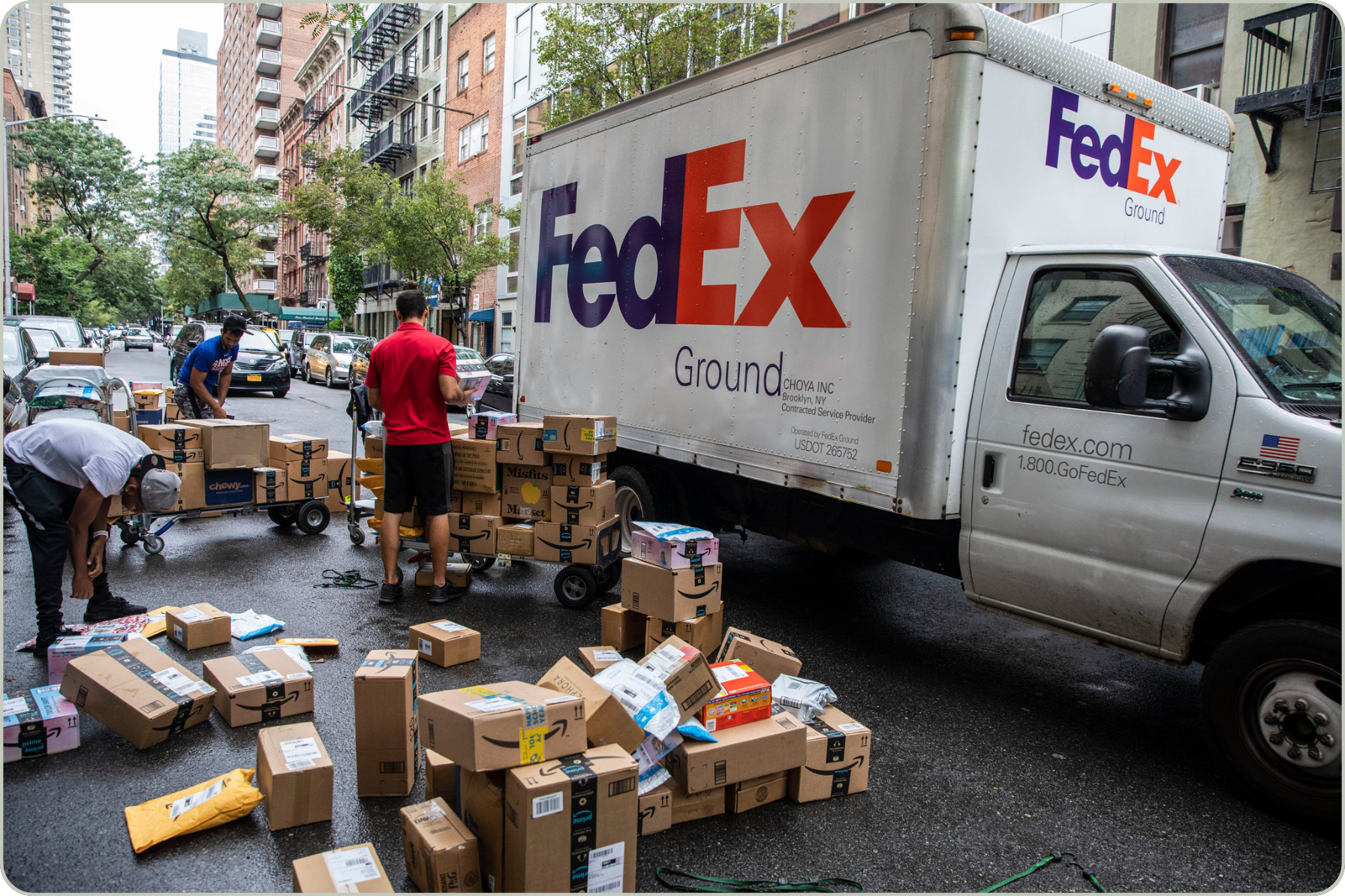
The explosion of e-commerce and on-demand services has rapidly transformed urban mobility. Delivery vehicles now flood city streets, intensifying what is known as the last-mile dilemma. At the core of this challenge is curb space—limited, contested, and often inefficiently managed. Double-parking, blocked bike lanes, traffic congestion, and emissions are now everyday realities in urban centers.
Historically treated as passive infrastructure, loading zones are now under the spotlight. Fixed signage and manual enforcement simply cannot keep up with dynamic curbside demand. Cities are reimagining curb space as a flexible, data-driven asset—critical not only for logistics but for broader economic and environmental goals.
.png)
- 🧠 (1) Smart, Reservation-Based Loading Zones
- 🎯 (2) Specialized Loading Zones Tailored to Diverse Urban Needs
- 🧩 (3) Flexible and Multi-Purpose Curb Management
🧠 Smart, Reservation-Based Loading Zones
%20copy.png)
Smart Loading Zones (SLZs) represent a shift from static curb space to dynamic, software-enabled management. Through apps like Pebble in Philadelphia, drivers can view availability in real-time, reserve a spot, and pay by the minute. SLZs aim to reduce the cruising time—responsible for up to 30% of urban congestion—by ensuring space is available when and where it’s needed.
These zones are equipped with IoT sensors and License Plate Readers (LPRs) that monitor vehicle presence, automate payments, and enforce compliance. The ability to book and pay for curb access in real time improves logistics efficiency while promoting equitable access to the curb.
In Pittsburgh, smart loading zones led to a 70% increase in turnover, a 60% decrease in parking duration, and savings equivalent to over 3,500 gallons of fuel, 30 metric tons of CO2, and $9 million in driver time value annually. In New York City, designated delivery zones cut double-parking by up to 70%.
One of the most impactful shifts is economic: instead of incurring unpredictable, non-deductible parking fines, companies pay predictable, tax-deductible fees for legitimate curb use. In Manhattan, delivery companies previously racked up an average of $750/week in fines—an expense that smart loading zones help eliminate. This fundamentally changes the business case for urban freight, encouraging compliance and reducing friction between cities and fleets.
🎯 Specialized Loading Zones for Diverse Urban Needs
Urban logistics are no longer limited to standard commercial deliveries. Cities are increasingly creating purpose-built loading zones that cater to specific industries, vehicle types, and operational requirements.
%20copy%202.png)
In Seattle, the Music Venue Zone Permit offers priority parking to touring musicians and crew near performance venues. Up to three spots can be allocated per location, easing load-in logistics and supporting the city’s music economy. These zones reduce costs for venues and artists while reinforcing Seattle’s cultural identity—showing how curb space can support economic development, not just transportation flow.
The rise of ride-hailing services like Uber and Lyft has prompted cities such as Nashville to develop designated passenger pick-up and drop-off (PUDO) zones with tight 5–10 minute limits. These reduce mid-block stops and unsafe maneuvers, helping streamline curbside activity while protecting vulnerable road users.
.png)
As cities aim to decarbonize fleets, many are embedding EV charging infrastructure directly into loading zones. Known as Loading Bay Charging, this approach lets electric delivery vehicles recharge while loading or unloading, eliminating the need for separate charging stops. It’s a crucial innovation for meeting zero-emission goals while maintaining operational efficiency.
In New York City, curbside Level 2 chargers and centralized DC fast-charging hubs are being deployed to support this evolution. However, power supply constraints and limited space for equipment installation remain challenges—making integrated planning all the more important.
.png)
- 🗑️ Waste Management: Dedicated curb space for bins and collection vehicles improves safety and reduces obstruction.
- ♿ ADA-Accessible Zones: Wider aisles and vertical clearance ensure loading areas are usable by passengers with mobility impairments.
- 🚗 Valet Services: High-traffic destinations like hotels and event venues benefit from clear, designated valet areas that reduce overall congestion.
These tailored approaches show a deeper understanding of curb space as a strategic tool—not only for traffic management but for cultural, environmental, and economic outcomes.
🧩 Flexible and Multi-Purpose Curb Management
Urban curb space is finite, but the demands on it are constantly shifting. To accommodate this, cities are adopting flexible curb zones—spaces that change function throughout the day or week based on real-time needs.
%20copy.png)
- 📦 Serve commercial loading in the early morning.
- 🛍️ Convert to metered retail parking by midday.
- 🚖 Transition into a ride-hailing pick-up zone at night.
This dynamic allocation maximizes the utility of every square meter of curb space, supporting a broad array of users: delivery drivers, customers, pedestrians, transit riders, and more.
%20copy.png)
Dynamic digital signage is a key enabler. Unlike static signs that often cause confusion, these displays show real-time rules and uses—ensuring compliance and minimizing user frustration. They bridge the gap between advanced backend systems and the lived experience of city users.
Cities like Seattle pioneered the “flex zone” concept by ranking curb priorities by street type and time of day. San Diego repurposes parking for nightlife loading zones on weekends, while Omaha, Aspen, Nashville, and West Palm Beach are piloting reservable, smart delivery zones in both alleyways and curb lanes.
The beauty of flexible curb management lies in its agility.
%20copy%202.png)
- 🛴 Adapt to emerging mobility trends like micromobility or autonomous vehicles.
- 📱 Support temporary uses like parklets, public art, or mobile vending.
- 📅 Shift space use in response to seasonal or event-based surges in demand.
By doing more with less, flexible zones help ease congestion, support local economies, and create more vibrant, inclusive streetscapes.
The Digital Infrastructure Making It All Possible
These innovations are only possible because of a robust digital foundation. A suite of advanced technologies provides cities with the visibility, control, and adaptability required to manage their curbs effectively.
%20copy.png)
- 📡 IoT Sensors & LPRs: Monitor vehicle presence, enforce regulations, and collect detailed usage data.
- 🧠 Artificial Intelligence & Predictive Analytics: Analyze demand, forecast parking needs, and adjust pricing in real-time.
- 🤖 Digital Twins: Simulate real-world curb use to test and optimize policies like delivery restrictions in high-emission zones.
- ☁️ Cloud Platforms & Data Standards: Cloud systems process curb data at scale, while standards like CDS ensure interoperability across cities.
Together, these tools enable real-time decision-making, help cities shift from reactive to proactive policy, and support scalable deployments across urban areas.
Conclusion: From Chaos to Coordination at the Curb
.png)
Urban loading zones are evolving from static paint and signage into dynamic, tech-enabled infrastructure that meets the demands of modern city life.
Cities like Philadelphia, Pittsburgh, and New York show how smart, reservation-based zones improve turnover, reduce emissions, and offer fair, predictable access for commercial fleets. Specialized and flexible curb strategies further demonstrate how targeted design can support cultural, economic, and environmental goals.
Powered by sensors, AI, and shared data standards, the curb is becoming a vital layer of smart city infrastructure—essential to urban logistics, sustainability, and mobility.
About Vianova
Vianova is the data analytics solution to operate the mobility world. Our platform harnesses the power of connected vehicles and IoT data, to provide actionable insights to plan for safer, greener, and more efficient transportation infrastructures.
From enabling regulation of shared mobility to transforming last-mile deliveries, and mapping road risk hotspots, Vianova serves 150+ cities, fleet operators, and enterprises across the globe to change the way people and goods move.
Ready to learn more? Visit our page to get in touch.
👉 Read our previous blog here!
.png)


Become part
of the movement
in the Vianova world.
Let's get in touch
Lets talk! We are excited to hear how we can help you solve your mobility challenges.